Arriving without a plan
I recently visited my local beach to complete an assignment from a course I’m undertaking with Paul Sanders. The course, Quiet Eye, and the assignment, Mute – Stop, Breathe, Receive, Create, ask for a different way of arriving at a place — one without intention, agenda, or expectation.
For many years my approach to photography has been largely predictable. I would choose a location, often at an early hour, pre-conceive possible images, then set about finding and recording them. Blue hour, sunrise, familiar viewpoints — a method that worked, but one that over time began to feel repetitive.
This course feels like a continuation of a shift I began a couple of years ago, prompted by a desire to find more enjoyment in the act of photographing itself. Somewhere along the way, the formula had started to take precedence over curiosity.
Paul’s recently published book, Still, explores many of these same ideas: slowing down, paying attention, and allowing images to emerge rather than be extracted. The emphasis is less on making photographs and more on learning how to see — or perhaps, how to stay with what is already present.
So I went to the beach without a plan.
In keeping with the theme of Mute, I chose an overcast afternoon. The light was soft and restrained, the tide was out, and the sand stretched wide and uninterrupted. With no obvious focal point and no clear idea of what I was looking for, I felt briefly unanchored — unsure where to begin.
Rather than correct that feeling, I stayed with it.
I walked out across the sand toward the waterline. Something there asked me to stop.
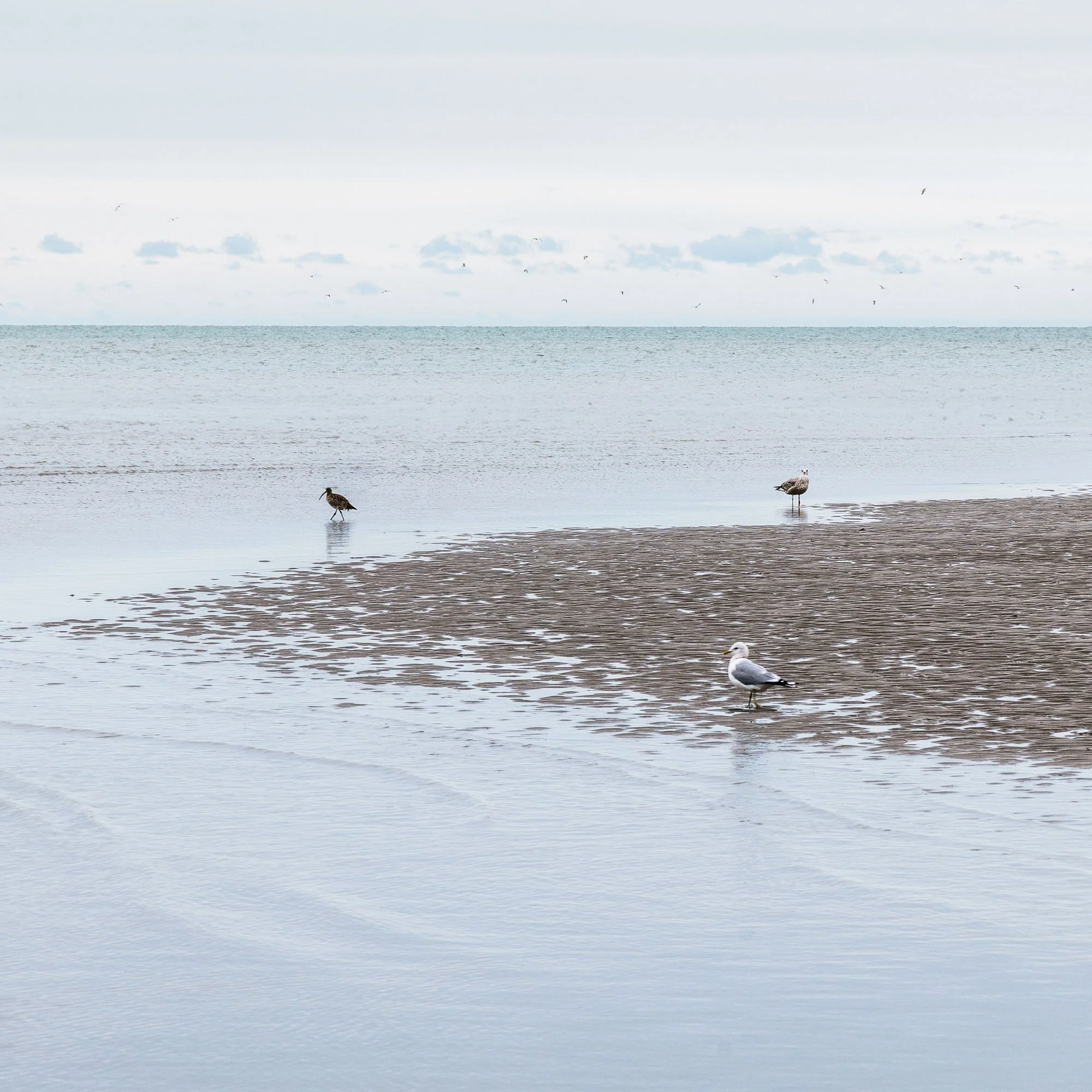
The tones were quiet and closely spaced. Three birds occupied the frame without asserting themselves. Nothing felt urgent. I stood longer than I normally would, noticing how little needed to happen.
A little further on, the ripples in the sand began to hold my attention.
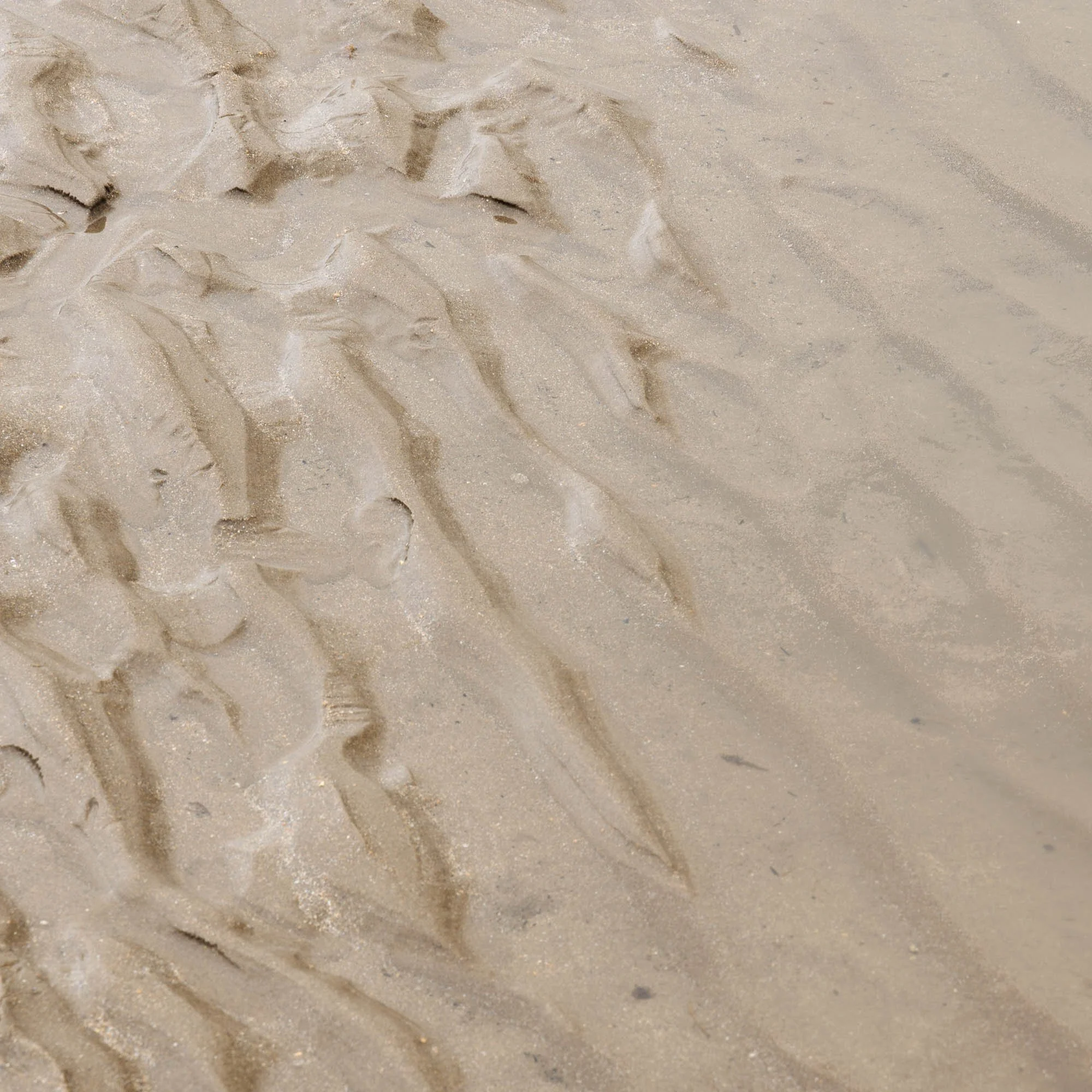
The light moved gently across the surface, shifting from dark to pale. The diagonal lines carried a subtle energy — not dramatic, but alive. I hadn’t gone looking for patterns, but once I stopped trying to decide what mattered, they began to reveal themselves.
As time passed, my attention widened. Looking back up the beach, an expanse of seaweed spread across the rocks caught my eye, and I walked over to explore.
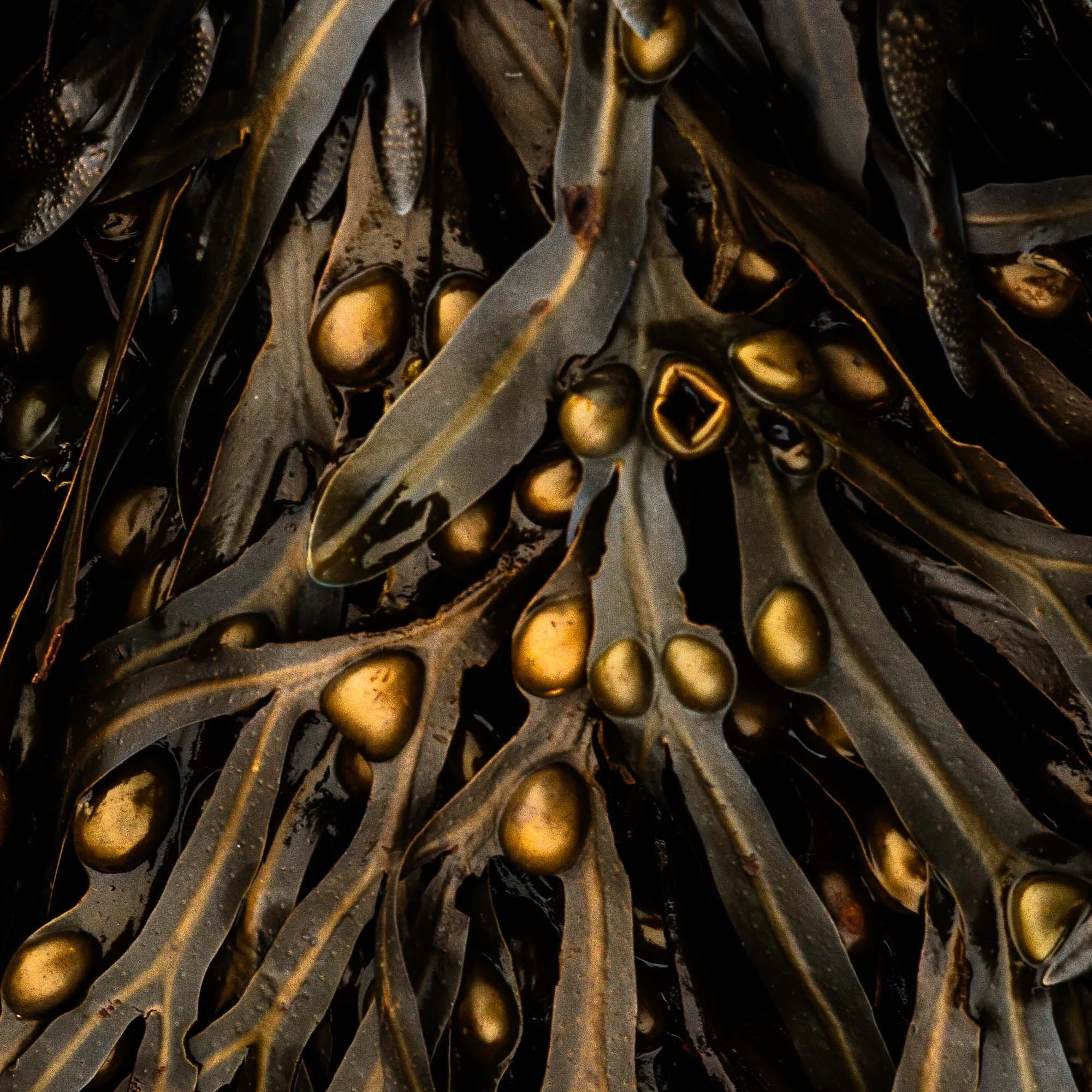
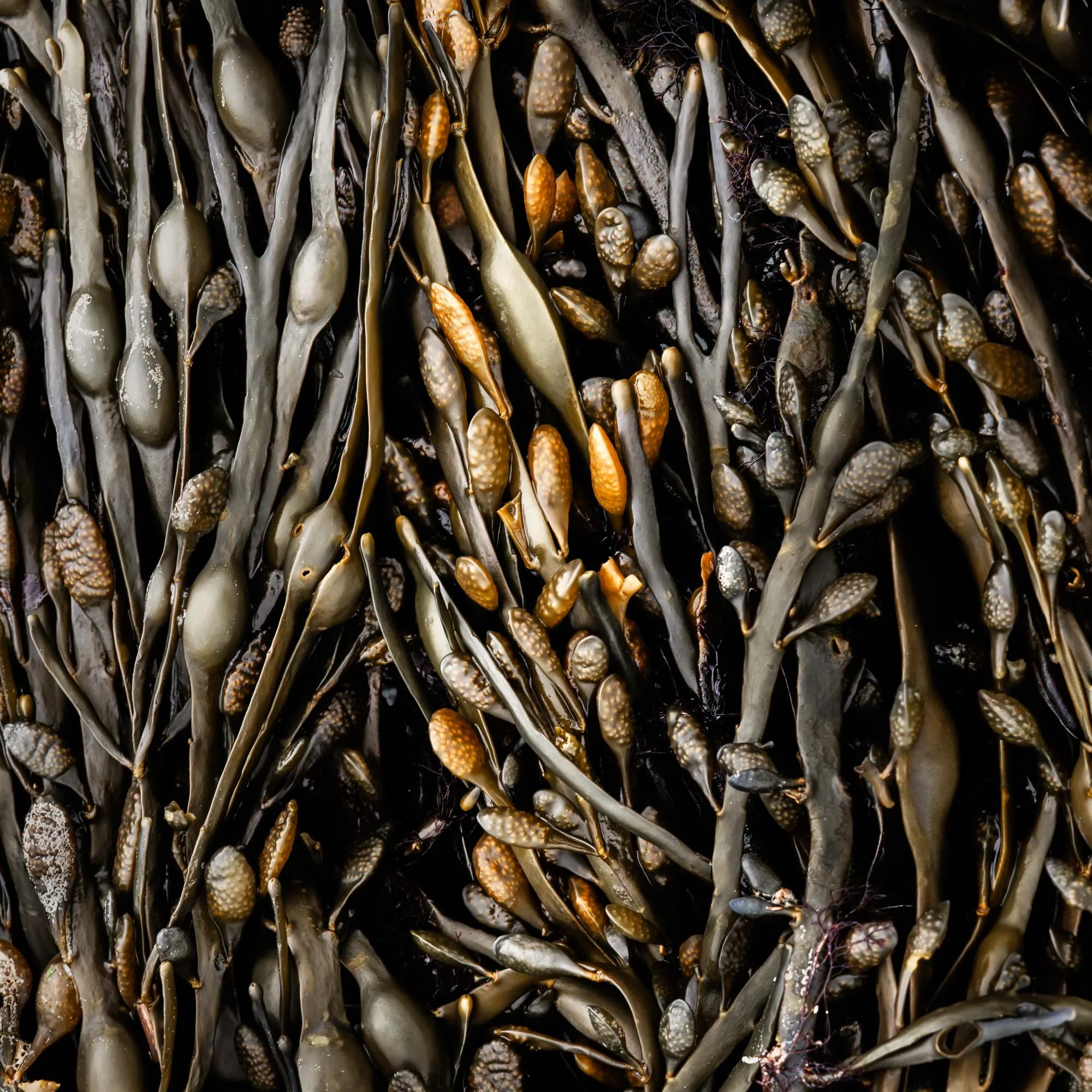
With the tide out, the seaweed lay in flowing masses, draped and layered, full of contrast and rhythm. I began to see relationships rather than subjects — dark against light, density against openness. The experience was less about choosing a composition and more about remaining receptive.
Further along, the concrete structures installed to address coastal erosion came into view.
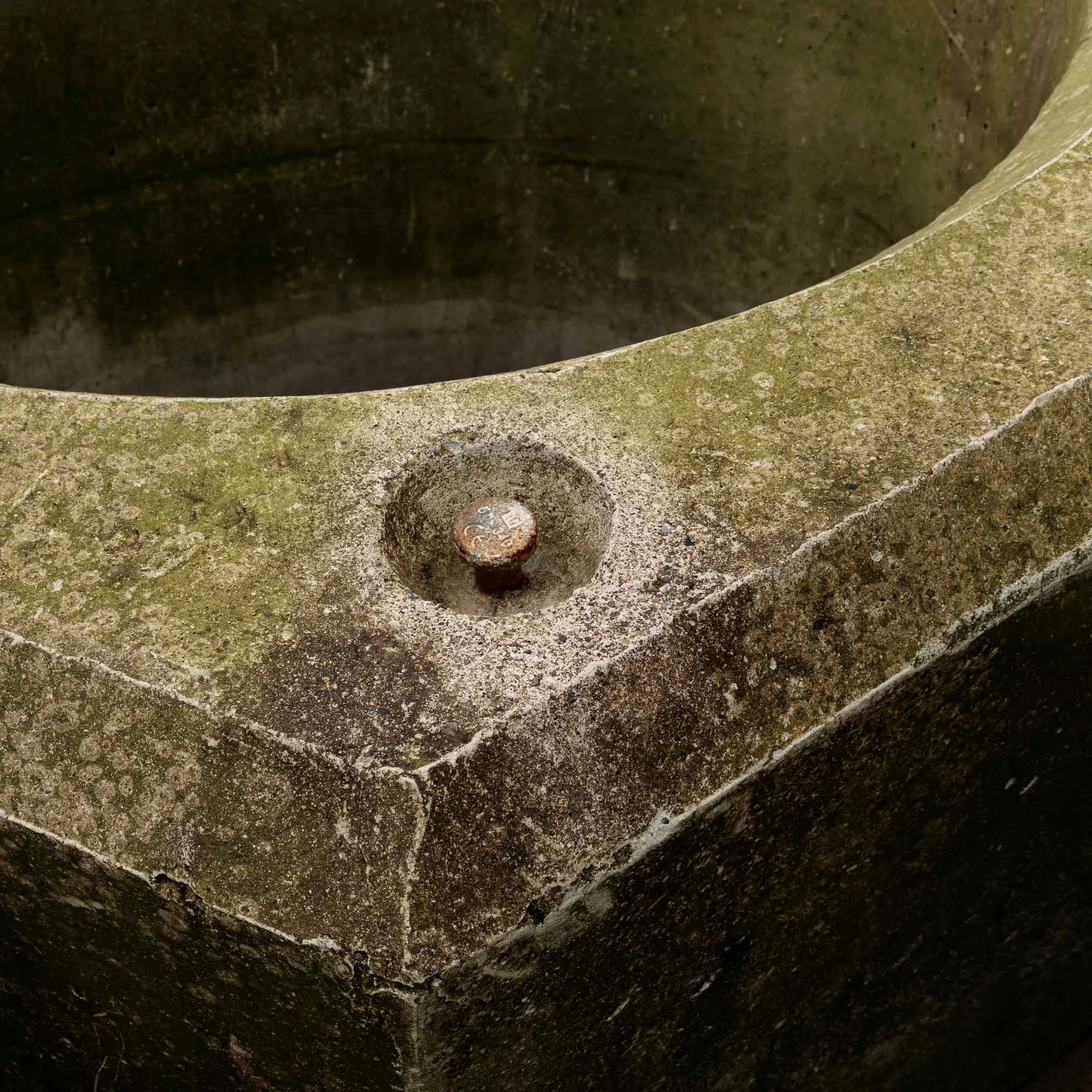
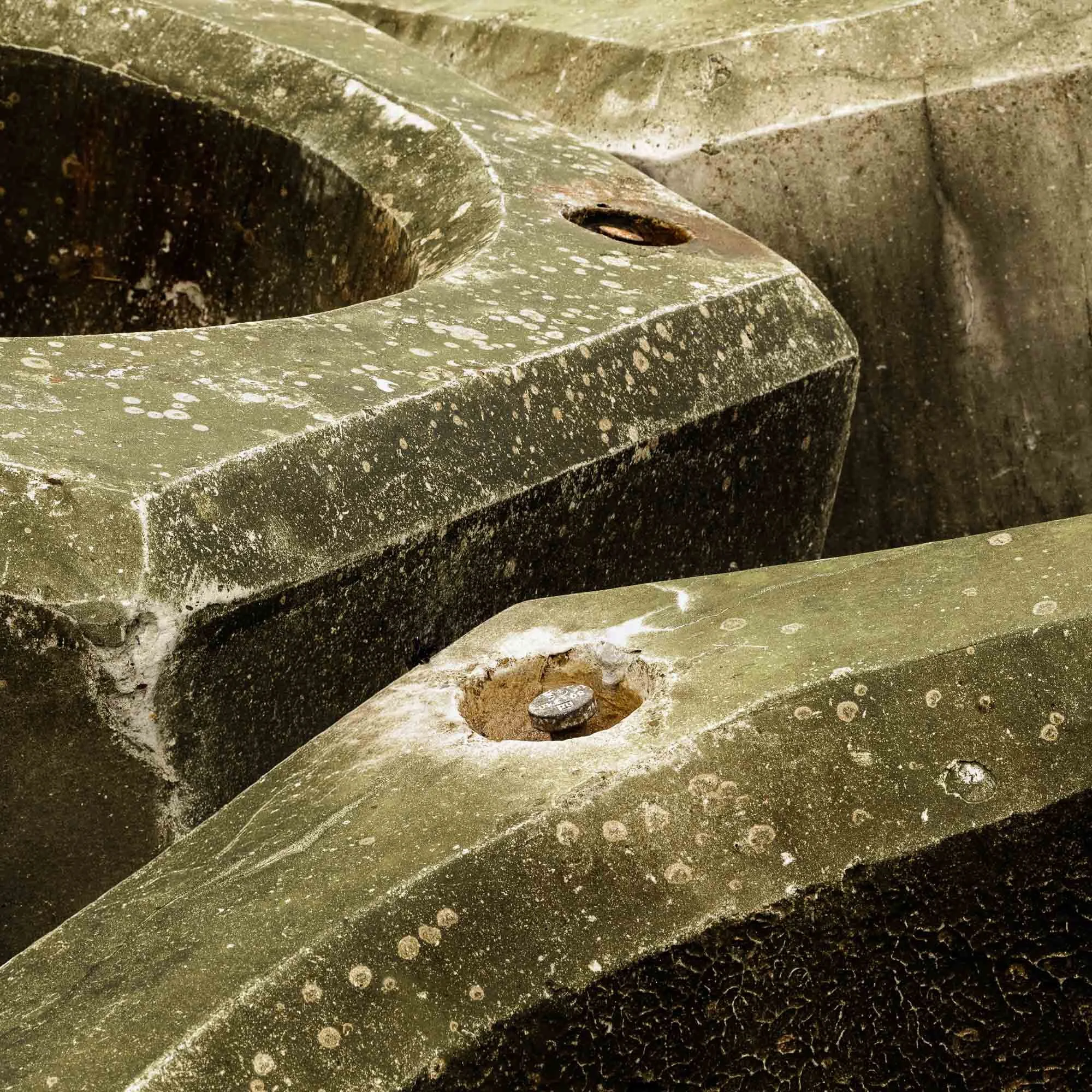
Hexagonal forms, hollow-centred and arranged in rows, they introduced a different language — repetition, texture, geometry. I moved slowly among them, exploring without expectation, noticing how my responses shifted simply by staying longer.
What struck me most was how time seemed to expand. Without a plan to fulfil, there was no pressure to resolve anything quickly. I noticed grasses, stones, shingle — all things I might previously have dismissed as peripheral.
Looking back, it feels clear that arriving with an open mind is less about effort and more about release. In the past, I may have been looking through the wrong end of the telescope — allowing preconceptions to narrow rather than extend what was visible. Letting go of them didn’t diminish the experience; it deepened it.
This way of working feels closely aligned with the ideas explored in Still: trust, attentiveness, and the quiet confidence that meaning does not need to be forced. The images become a by-product of presence rather than its goal.
I left the beach not with a sense of completion, but with a feeling of having arrived. As I continue through the Quiet Eye course and spend more time with Paul’s book, I’m increasingly committed to exploring a slower, more receptive relationship with photography — one that values seeing over seeking.